
Dandruff After Hair Transplant: Causes & What Helps
تقشّر فروة الرأس وتكوّن القشور مصدر قلق شائع بعد زراعة الشعر. في هذا المقال تكتشف لماذا تحدث القشور وكيف تقي منها والخطوات التي يمكنك اتخاذها لعلاجها بفعالية. هدفنا مساعدتك على اجتياز هذا الجزء من التعافي بسهولة وثقة، لضمان مسار سلس نحو شعرك الجديد الصحي.



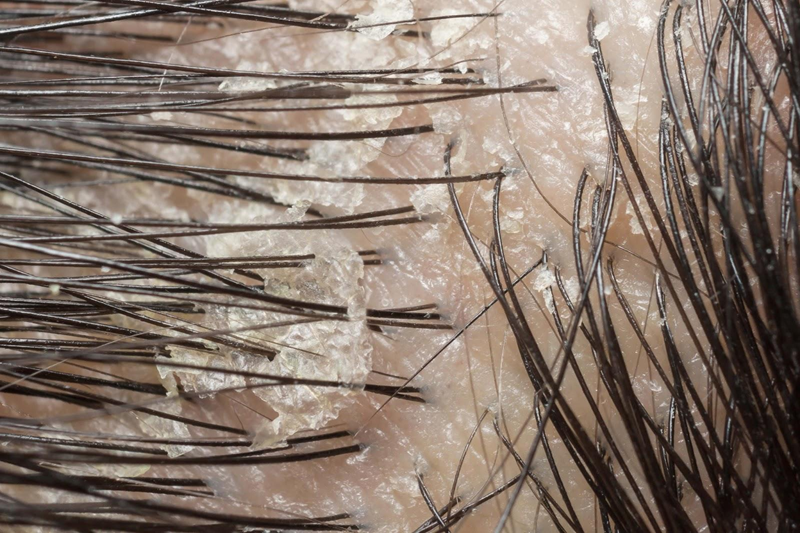
Noticing white flakes or itching after a hair transplant can be concerning, especially when you are trying to protect your newly transplanted grafts. However, Dandruff After Hair Transplant does not always mean you have a scalp condition. In many cases, the flakes are small crusts that form naturally as the scalp heals.
Understanding what causes the flaking is important because normal postoperative crusts require different care from dandruff caused by an underlying skin condition. The right approach depends on your symptoms, the time since surgery, and how well your scalp is healing.
Is Dandruff Normal After a Hair Transplant?
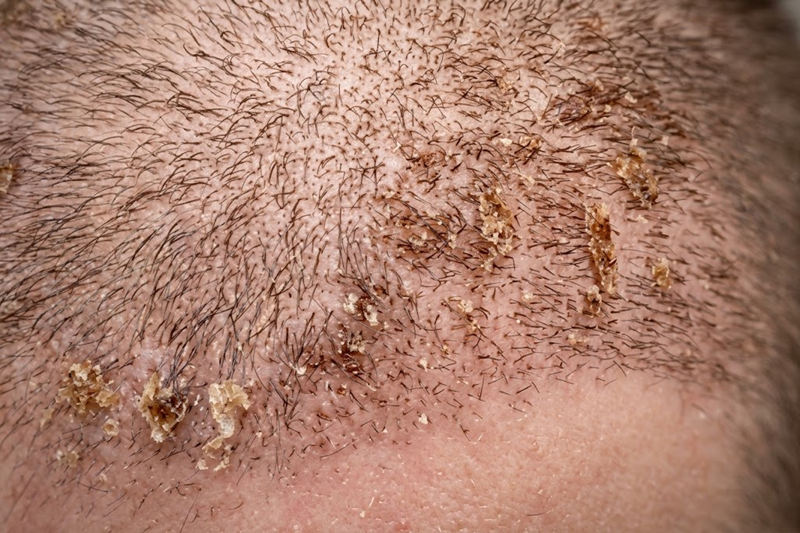
Some flaking is normal during the early stages of recovery. Small crusts form around the transplanted follicles and donor sites as the tiny surgical wounds heal. Temporary dryness and itching can also occur during this process.
These crusts usually become less noticeable as healing progresses and should gradually loosen with the washing routine recommended by your surgeon.
True dandruff is different. It involves recurring flakes caused by scalp scaling and can be associated with excess oil, itching, or inflammation. People who already experience dandruff may continue to have symptoms after surgery.
If the flakes persist beyond the expected healing period, become increasingly noticeable, or appear alongside significant redness, it is worth having your scalp assessed rather than assuming the problem is ordinary dandruff. Understanding the recovery process is also important when considering a زراعة الشعر in Dubai.
لست متأكدًا من أين تبدأ؟
سيقيم متخصصونا بيولوجيا فروة رأسك، وسعة الطعوم، وأهدافك الجمالية لوضع بروتوكول استعادة شعر مصمم خصيصًا لك — بدءًا من استشارتك الأولى فصاعدًا.
What Causes Dandruff After Hair Transplant?
Several factors can contribute to scalp flaking after hair restoration. Identifying the cause helps determine whether routine aftercare is sufficient or whether specific treatment is needed.
١. Normal Healing and Scalp Dryness
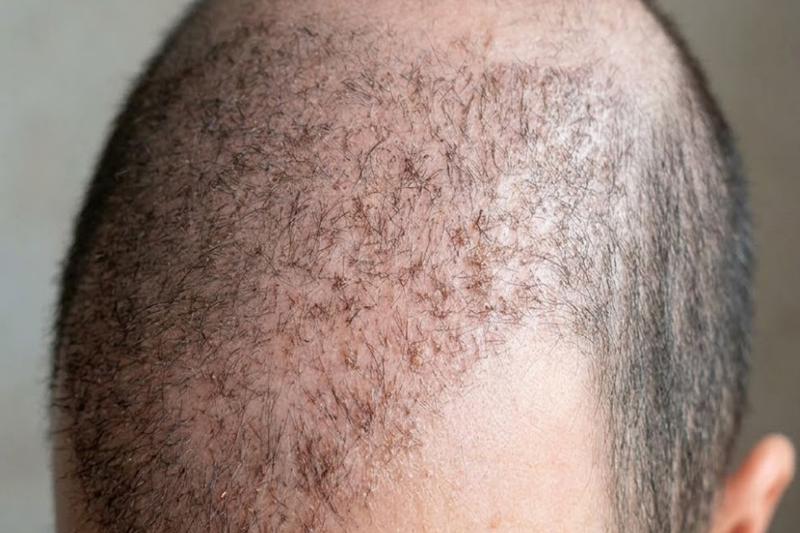
The scalp undergoes a healing process after the small incisions made during transplantation. As the skin repairs itself, crusts develop around the treated areas. The surrounding skin may also feel dry or tight.
This type of flaking is usually temporary. Patients should allow the crusts to loosen naturally according to their postoperative washing instructions instead of trying to remove them manually.
٢. Sebum Buildup
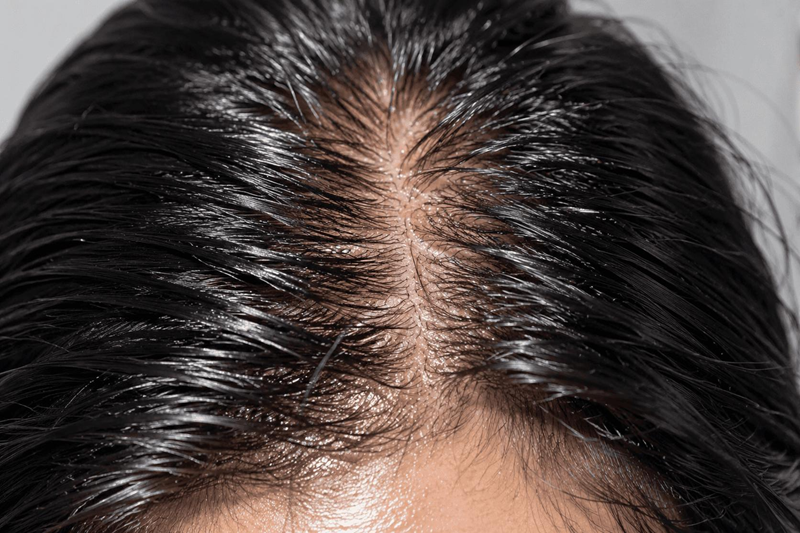
Sebum is the natural oil produced by the scalp. When oil and dead skin cells accumulate, they can contribute to visible flakes, particularly in people with oily skin.
Changes to the usual hair-washing routine after surgery may make oil and loose skin cells more noticeable. However, washing too aggressively can irritate the scalp and interfere with healing.
Following the surgeon’s recommended cleansing routine helps maintain scalp hygiene without unnecessary friction.
٣. Seborrheic Dermatitis
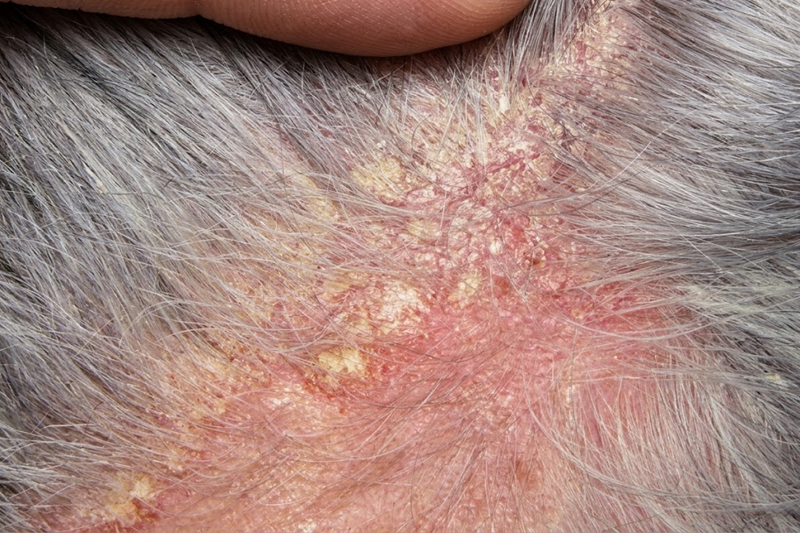
Seborrheic dermatitis is an inflammatory skin condition that can cause white or yellowish flakes, itching, redness, and greasy scales. It commonly affects the scalp and may persist or recur over time.
Patients with a history of this condition may continue to experience symptoms after a transplant. Persistent or recurrent flaking, particularly when accompanied by inflammation, may indicate that an underlying scalp condition needs treatment.
A dermatologist or hair transplant surgeon can assess the symptoms and recommend appropriate care.
٤. Irritation From Hair Care Products
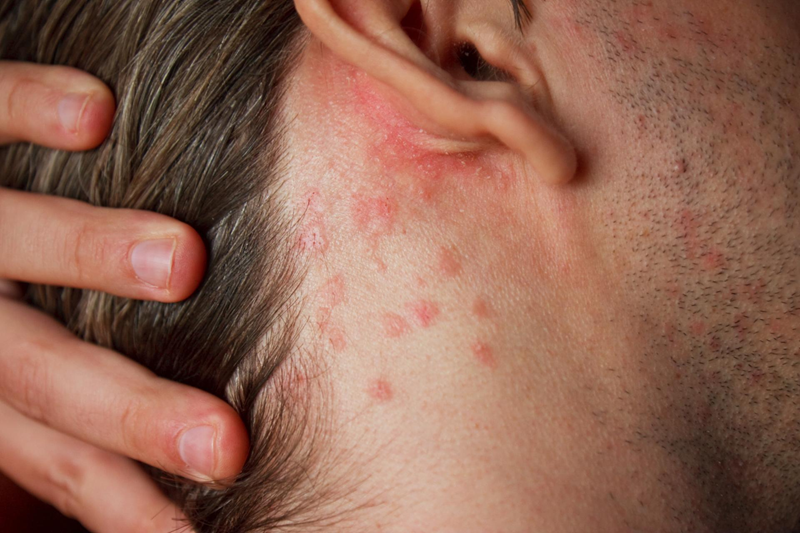
The scalp may be more sensitive while healing. Certain shampoos, lotions, styling products, or topical treatments can cause irritation, dryness, or itching.
Introducing new products too early may complicate recovery, especially if the treated skin has not fully healed. Patients should use postoperative products according to their surgeon’s instructions and avoid experimenting with medicated shampoos or exfoliating treatments without approval.
Dandruff vs. Scabs After Hair Transplant
Dandruff and postoperative crusts can look similar, but their causes and management differ.
| الميزة | Dandruff | Post-transplant crusts |
|---|---|---|
| Appearance | Loose white or yellowish flakes | Small crusts around healing sites |
| Texture | Can be dry or greasy | Often attached to the skin initially |
| Cause | Scalp scaling or an underlying skin condition | Healing of small surgical wounds |
| المدة | May recur or persist | Usually decreases as the scalp heals |
| Care | Depends on the underlying cause | Gentle washing according to surgical instructions |
Appearance alone cannot always distinguish the two. Avoid picking at either type of flaking, particularly around newly transplanted grafts. If the crusts remain unusually thick or do not loosen as expected, contact your transplant surgeon.
How to Manage Dandruff After Hair Transplant
The appropriate treatment depends on whether the flaking comes from normal healing, dryness, or an underlying scalp condition. These steps help support recovery while minimizing irritation.
١. Follow the Recommended Washing Routine
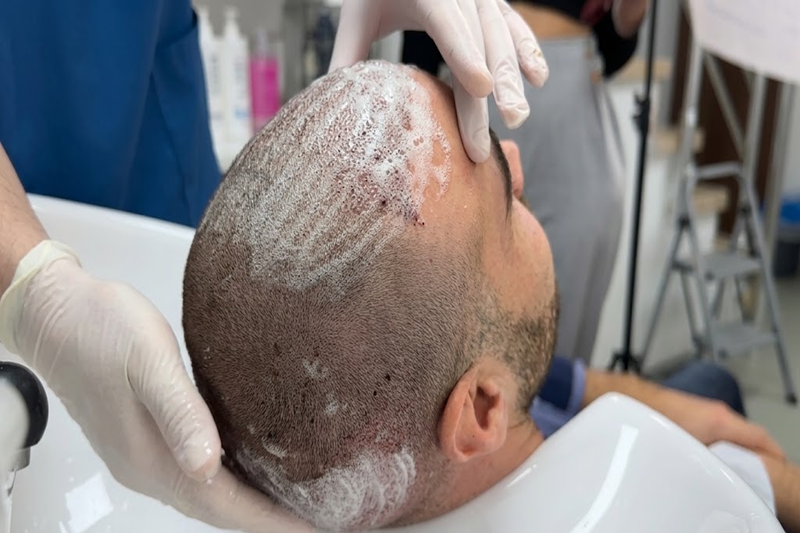
Gentle cleansing helps remove loose skin cells and excess oil. However, the timing and technique are particularly important during early recovery.
Follow your surgeon’s instructions about when to wash your hair, which products to use, and how to rinse the scalp. Avoid vigorous rubbing or directing high-pressure water at the recipient area.
As the scalp heals, your surgeon can advise when to gradually resume your normal hair-washing routine.
٢. Choose a Suitable Shampoo
A gentle shampoo recommended by your transplant team can help cleanse the scalp without unnecessary irritation.
Avoid harsh cleansing products and unnecessary changes to your hair care routine during recovery. If flaking continues after the initial healing period, ask your doctor whether a different shampoo or a treatment for an underlying scalp condition would be appropriate.
٣. Avoid Scratching and Picking
Itching can accompany healing, but scratching may damage the skin and disturb crusts around the grafts.
Do not use your fingernails, combs, or exfoliating tools to remove flakes from the transplanted area. If itching becomes intense or persistent, contact your transplant surgeon to identify the cause and discuss suitable treatment.
٥. Ask Before Using Medicated Anti-Dandruff Shampoo
Shampoos containing ketoconazole or other anti-dandruff ingredients may be appropriate for certain scalp conditions. However, they are not automatically suitable immediately after transplantation.
Your doctor should determine whether a medicated shampoo is necessary and when it can be introduced safely. Do not treat every instance of postoperative flaking as dandruff without first identifying its cause.
When Does Dandruff After Hair Transplant Go Away?
The duration depends on what is causing the flakes.
- First ٧–١٤ days: Postoperative crusts generally become less noticeable as the scalp heals and the recommended washing routine helps them loosen.
- After the initial healing period: Persistent or recurring flakes may be related to dandruff, seborrheic dermatitis, dryness, or product irritation.
- Beyond the expected recovery period: Continued or worsening flaking warrants an assessment, particularly when accompanied by redness, pain, or other symptoms.
These are general timeframes rather than guaranteed recovery milestones. Healing varies between patients, so follow your surgeon’s advice if the scalp is not improving as expected.
لست متأكدًا من أين تبدأ؟
سيقيم متخصصونا بيولوجيا فروة رأسك، وسعة الطعوم، وأهدافك الجمالية لوضع بروتوكول استعادة شعر مصمم خصيصًا لك — بدءًا من استشارتك الأولى فصاعدًا.
الأسئلة الشائعة
Can dandruff damage hair grafts after a transplant?
Dandruff does not automatically damage transplanted follicles. However, scratching, forceful crust removal, and irritation during early recovery can interfere with healing. Follow your aftercare instructions and seek medical advice if symptoms persist.
When can I use anti-dandruff shampoo after a hair transplant?
There is no single timeline suitable for every patient. The timing depends on the healing stage, the shampoo’s ingredients, and the cause of the flaking. Ask your surgeon before introducing medicated products.
Is scalp peeling normal after a hair transplant?
Yes. Small crusts and some flaking are common during early recovery. They should gradually loosen with appropriate washing. Persistent or worsening crusting should be assessed by your surgeon.
Can dandruff affect hair transplant results?
Ordinary dandruff does not necessarily affect transplant results. However, significant inflammation, infection, or repeated trauma from scratching can compromise scalp health. Appropriate treatment and postoperative care help support recovery.
Conclusion
Dandruff After Hair Transplant can result from normal healing, scalp dryness, excess oil, seborrheic dermatitis, or irritation from hair care products. Identifying the cause is essential for choosing the right treatment.
Gentle washing, avoiding scratching, and following your surgeon’s aftercare instructions can help protect the healing scalp. If the flakes persist, worsen, or occur alongside redness, pain, or discharge, seek medical assessment instead of treating the problem independently.
External medical reference: An International Expert Consensus Statement Focusing on Pre- and Post-Hair Transplantation Care
مقالات ذات صلة
واصل استكشاف الرؤى السريرية من المجلة الطبية لهليا.
 استعادة وزراعة الشعر
Warning: Undefined array key 0 in /home/u257547261/domains/helia.clinic/public_html/wp-content/themes/helia-clinic/single.php on line 456
٠ ٠ • ٦ دقيقة قراءة
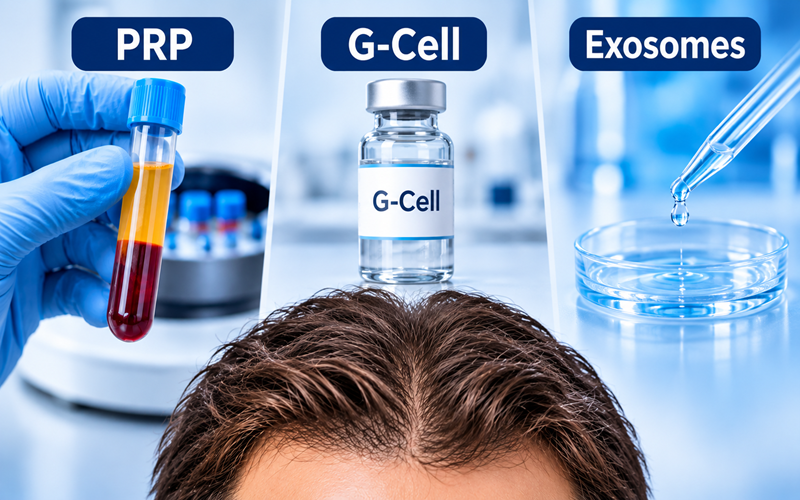
PRP vs G-Cell vs Exosomes: Which One Really Works?
Hair loss treatments have evolved beyond traditional approaches, with regenerative procedures offering new ways to support existing hair follicles. PRP, G-Cell, and exosome therapy are three options that target hair thinning through different biological processes. But which one delivers better…
 استعادة وزراعة الشعر
Warning: Undefined array key 0 in /home/u257547261/domains/helia.clinic/public_html/wp-content/themes/helia-clinic/single.php on line 456
٠ ٠ • ٨ دقيقة قراءة
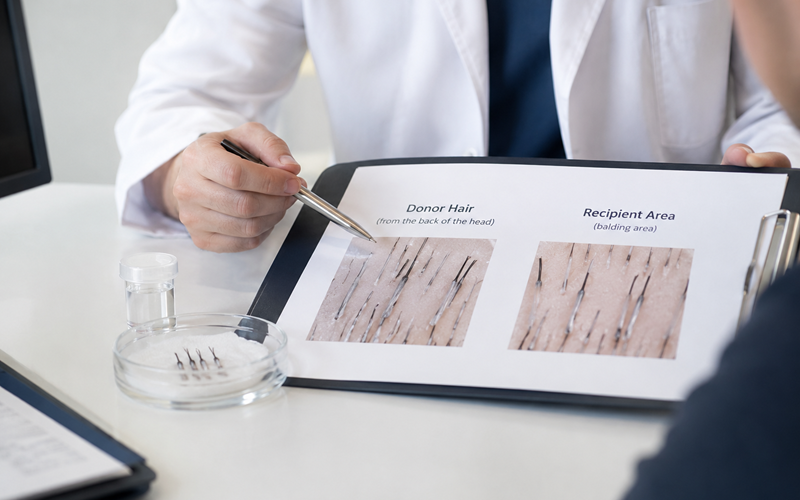
Donor Hair From Another Person: Is It Possible?
People experiencing advanced hair loss may wonder whether a family member, partner, or friend can donate hair follicles for transplantation. This question is particularly relevant when the patient's own donor area cannot provide enough grafts to achieve the desired coverage.…
 استعادة وزراعة الشعر
Warning: Undefined array key 0 in /home/u257547261/domains/helia.clinic/public_html/wp-content/themes/helia-clinic/single.php on line 456
٠ ٠ • ٧ دقيقة قراءة
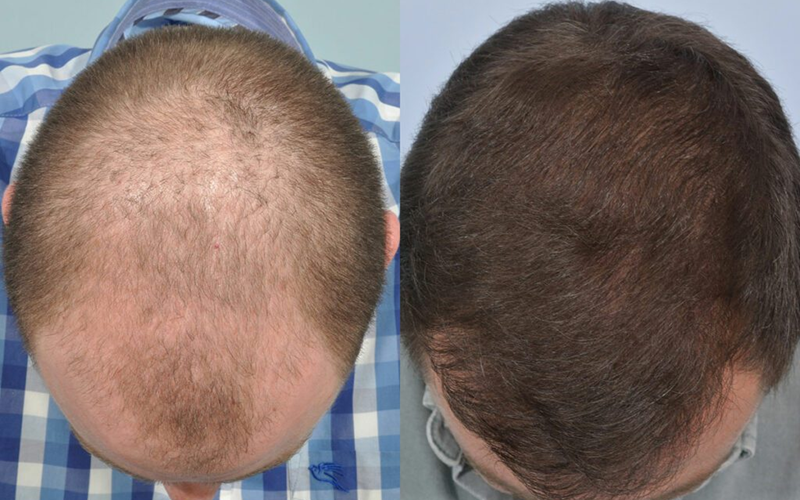
هل تدوم زراعة الشعر للأبد؟ أي تقنية تدوم أطول؟
Hair transplants are a popular long-term solution for people experiencing hair loss. However, one common question is whether transplanted hair lasts forever and which technique offers the most durable results. In many cases, transplanted hair can continue growing for decades…
التعليقات
شارك أسئلتك أو تجربتك السريرية مع قرائنا.