
Hair Transplant Success Rate: What Affects Your Results?
تستكشف هذه المراجعة الشاملة العوامل المؤثرة في نجاح زراعة الشعر، بما في ذلك العناية قبل العملية والتقنيات الجراحية والإدارة بعد العملية وصحة المنطقة المانحة. نتعمق في الأسباب الشائعة لفشل الزراعة، مثل نقص المخزون المانح وضعف التقنية الجراحية. بفهم تعقيدات النجاح والفشل يمكن للأفراد اتخاذ قرارات مستنيرة بشأن هذا الإجراء.



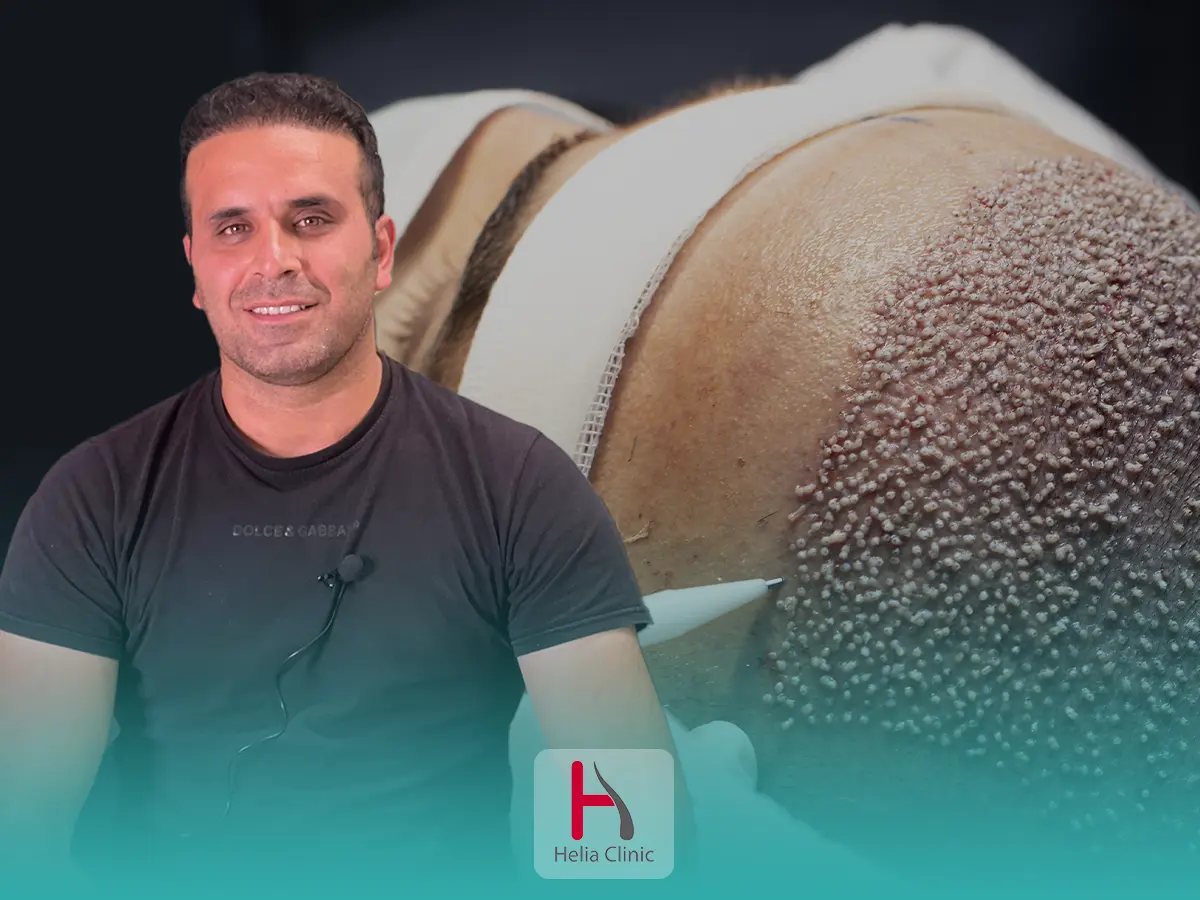
Hair transplantation can restore hair in areas affected by thinning or baldness, but the results are not identical for every patient. The hair transplant success rate depends on factors such as graft survival, donor hair quality, surgical technique, and individual healing. Understanding these factors helps patients develop realistic expectations before undergoing the procedure.
What Is the Average Hair Transplant Success Rate?
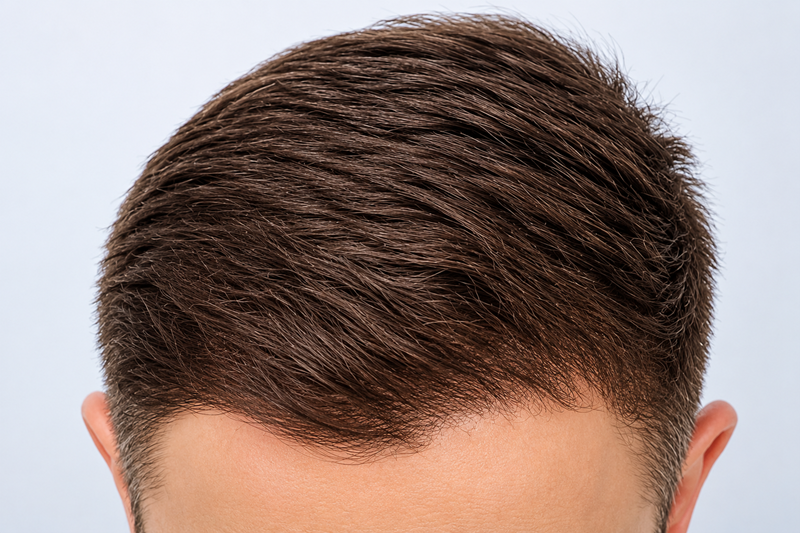
The hair transplant success rate is generally measured by the percentage of transplanted follicles that survive and produce new hair growth. Clinical studies have reported different graft survival rates depending on the patient population, surgical approach, and evaluation methods.
For example, a ٢٠٢٤ retrospective study involving ١٥٨ men who underwent Follicular Unit Extraction (FUE) reported that more than ٩٠% of transplanted follicles survived. However, this result should not be considered a universal guarantee because outcomes vary between patients and surgical settings. The findings are available in this clinical study on FUE hair transplantation.
It is also important to distinguish graft survival from overall cosmetic success. A high survival rate does not automatically mean the patient will achieve the desired density or hairline.
لست متأكدًا من أين تبدأ؟
سيقيم متخصصونا بيولوجيا فروة رأسك، وسعة الطعوم، وأهدافك الجمالية لوضع بروتوكول استعادة شعر مصمم خصيصًا لك — بدءًا من استشارتك الأولى فصاعدًا.
What Factors Affect Hair Transplant Success Rate?
Several surgical and patient-related factors influence graft survival and the final appearance of transplanted hair. Understanding them helps determine whether someone is a suitable candidate and what results they can realistically expect.
Surgeon’s Experience and Surgical Technique
The surgeon’s expertise is an important factor in hair transplant outcomes. Grafts must be extracted, handled, preserved, and implanted carefully to minimize damage to the follicles.
The implantation process also requires attention to hairline design, graft distribution, and natural hair growth angles. Both FUE and Follicular Unit Transplantation (FUT) can produce successful results when appropriately performed. The choice depends on donor characteristics, the extent of hair loss, and the patient’s treatment goals.
Patients considering this procedure can explore different زراعة الشعر options to understand which technique may be suitable for their hair restoration needs.
Donor Hair Quality and Density
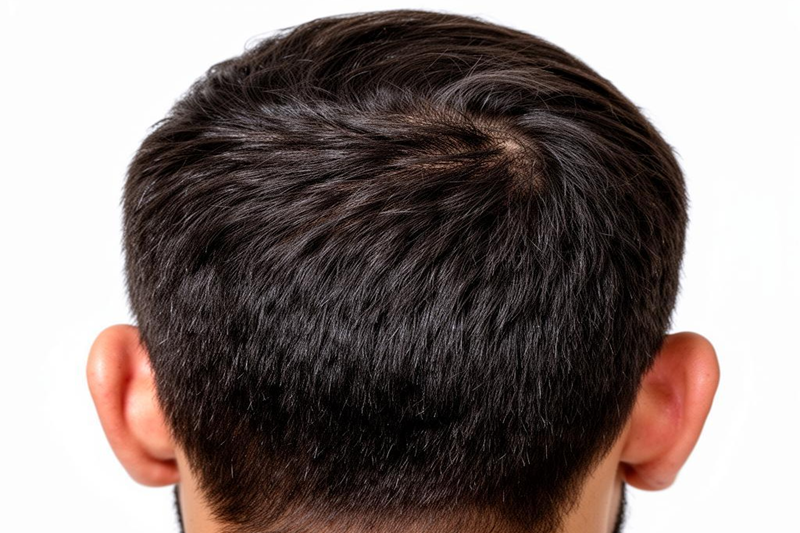
The donor area, usually located at the back and sides of the scalp, provides the follicles needed for transplantation. Its density, hair thickness, and follicular characteristics influence the amount of coverage that can be achieved.
Patients with healthy donor hair generally have more flexibility when planning their procedures. However, extracting too many grafts can cause visible thinning in the donor area.
Hair shaft thickness also matters. Coarser hair can provide greater visual coverage than finer hair, even when the same number of grafts is transplanted.
Hair Loss Pattern and Stability
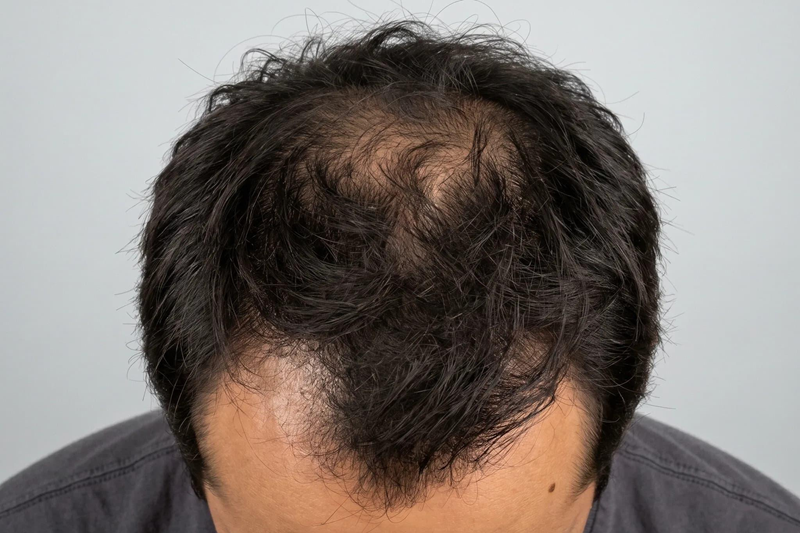
The pattern and progression of hair loss influence both surgical planning and long-term results. Patients experiencing active or rapidly progressing hair loss may continue losing their existing hair after transplantation.
This can create uneven density between transplanted and untreated areas. Evaluating the progression of hair loss helps surgeons determine an appropriate hairline and whether additional medical treatment may be necessary.
Patient’s Health and Lifestyle
Overall health can affect wound healing and the recovery process. Certain medical conditions, nutritional deficiencies, medications, and lifestyle habits may influence the body’s ability to recover after surgery.
For example, smoking can impair circulation and interfere with tissue healing. Patients should disclose their medical history, medications, and relevant lifestyle habits during their preoperative assessment.
Post-Operative Care
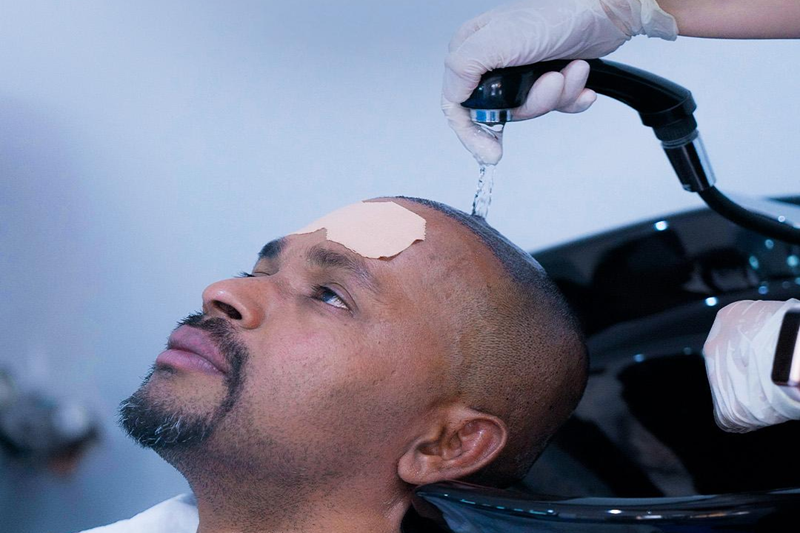
Following aftercare instructions helps protect newly transplanted follicles, particularly during the first few weeks after surgery. Excessive friction, scratching, or pressure on the scalp may interfere with healing.
Patients should follow their surgeon’s recommendations regarding:
- Washing the scalp and using recommended products.
- Avoiding strenuous exercise during the initial recovery period.
- Protecting the scalp from direct sunlight.
- Avoiding scratching or picking at scabs.
- Attending scheduled follow-up appointments.
Proper aftercare supports recovery and helps reduce avoidable complications, although it cannot guarantee a specific graft survival rate.
What Is the Hair Transplant Failure Rate?
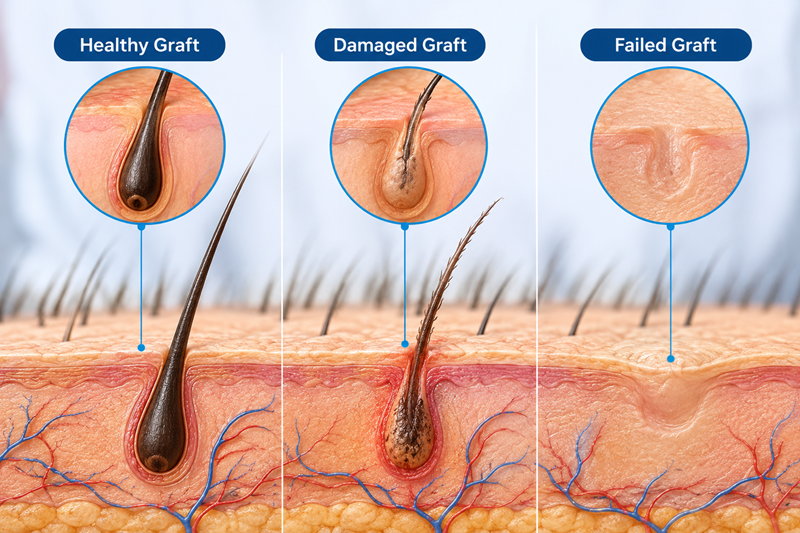
The hair transplant failure rate refers to the proportion of transplanted follicles that fail to survive or produce the expected hair growth. There is no universally accepted percentage because studies use different definitions of failure and assess different patient groups.
Complete failure is uncommon, but partial graft failure can occur. It may result in reduced density, uneven coverage, or a less satisfactory cosmetic outcome.
It is also essential to distinguish temporary hair shedding from permanent graft loss. Transplanted hair shafts commonly fall out during the first few weeks after surgery. This is part of the normal hair growth cycle, and the follicles may remain healthy beneath the scalp.
What Are the Common Reasons for Hair Transplant Failure?
Several factors can contribute to poor graft survival or disappointing results. The following table summarizes some important risks and their possible effects.
| Potential cause | Possible effect on results |
|---|---|
| Excessive graft handling | Follicular damage and reduced survival |
| Poor graft preservation | Dehydration and compromised follicle viability |
| Insufficient blood supply | Impaired healing and graft survival |
| Unsuitable candidate selection | Unpredictable growth or limited coverage |
| Infection or severe inflammation | Delayed healing and possible graft damage |
| Progressive hair loss | Reduced density around transplanted areas |
Some complications, such as infection and significant inflammation, require medical assessment. Increasing pain, unusual discharge, worsening swelling, or persistent redness should be reported to the treating medical team.
Unrealistic expectations can also contribute to dissatisfaction. Hair transplantation redistributes existing follicles rather than creating new ones, so the available donor supply places a limit on achievable coverage.
How Can You Improve Your Hair Transplant Results?
Several measures can support better hair transplant outcomes and recovery:
- Choose a suitable treatment plan: Assess hair loss patterns, scalp condition, and donor hair density.
- Follow post-operative instructions: Protect the scalp and follow recommended washing and care routines.
- Avoid smoking: Reduce smoking during recovery to support blood circulation and tissue healing.
- Manage ongoing hair loss: Use additional treatments when medically recommended.
- Attend follow-up appointments: Monitor healing and hair growth with the medical team.
When Can You Expect to See Final Hair Transplant Results?
Hair growth after transplantation is gradual. The transplanted follicles need time to recover and enter their normal growth cycle, so the initial appearance does not represent the final outcome.
| Time after surgery | Expected hair growth and recovery |
|---|---|
| First ١–٢ weeks | Scabs gradually fall off, and the scalp begins healing. |
| First month | Transplanted hair shafts may shed temporarily. |
| ٣–٤ months | Early new hair growth may become visible. |
| ٦ months | Hair coverage and density become more noticeable. |
| ٩–١٢ months | Significant improvements in hair growth and appearance. |
| ١٢–١٨ months | Further maturation may occur, depending on the treated area. |
These timeframes are approximate. Individual growth patterns vary, and some areas, particularly the crown, may take longer to show their final cosmetic appearance.
لست متأكدًا من أين تبدأ؟
سيقيم متخصصونا بيولوجيا فروة رأسك، وسعة الطعوم، وأهدافك الجمالية لوضع بروتوكول استعادة شعر مصمم خصيصًا لك — بدءًا من استشارتك الأولى فصاعدًا.
الأسئلة الشائعة
What Is Considered a Good Hair Transplant Success Rate?
A good outcome involves healthy graft survival, natural hair growth, appropriate density, and satisfactory coverage. Published studies report varying survival rates, so no single percentage guarantees success for every patient.
Can a Hair Transplant Fail Completely?
Yes, although complete failure is uncommon. Severe graft damage, complications affecting scalp healing, or unsuitable patient selection can result in very limited hair growth.
Does a Higher Number of Grafts Guarantee Better Results?
No. Graft quality, donor hair characteristics, implantation technique, and distribution are equally important. Extracting too many follicles can also compromise the donor area.
How Long Does It Take to Know Whether a Hair Transplant Was Successful?
Early growth may become visible after three to four months. However, evaluating the cosmetic outcome at around ١٢ months provides a more reliable assessment. Some patients continue experiencing improvements for up to ١٨ months.
Can Transplanted Hair Fall Out Permanently?
Yes. Although temporary shedding is expected after surgery, follicles that are severely damaged or fail to survive may not produce new hair. A medical assessment can help distinguish normal shedding from potential graft failure.
Conclusion
The hair transplant success rate depends on surgical expertise, donor hair quality, patient suitability, and postoperative care. Understanding these factors helps patients set realistic expectations and make informed decisions. A thorough assessment and individualized treatment plan are essential for achieving natural-looking, long-term results.
مقالات ذات صلة
واصل استكشاف الرؤى السريرية من المجلة الطبية لهليا.
 المدونة
Warning: Undefined array key 0 in /home/u257547261/domains/helia.clinic/public_html/wp-content/themes/helia-clinic/single.php on line 456
٠ ٠ • ٨ دقيقة قراءة
Haircuts After Hair Transplant: When Can You Cut or Shave?
Knowing when to get a haircut after a hair transplant is an important part of post-operative care. Cutting your hair too soon, particularly with clippers or a razor, may irritate the scalp or interfere with healing. The safest timing depends…
 المدونة
Warning: Undefined array key 0 in /home/u257547261/domains/helia.clinic/public_html/wp-content/themes/helia-clinic/single.php on line 456
٠ ٠ • ٨ دقيقة قراءة
Best Shampoo After Hair Transplant: Don’t Damage Your Grafts
Choosing the best shampoo after hair transplant can help keep your scalp clean and comfortable while the grafts heal. During the early recovery period, harsh products and aggressive washing may irritate the scalp and disturb the healing area. A gentle,…
 المدونة
Warning: Undefined array key 0 in /home/u257547261/domains/helia.clinic/public_html/wp-content/themes/helia-clinic/single.php on line 456
٠ ٠ • ٨ دقيقة قراءة
Body Hair Transplant (BHT): Can Beard Hair Grow on the Scalp?
When scalp donor hair is limited, a body hair transplant may offer an additional option for restoring hair density. Beard and selected body hair can be transplanted to the scalp using follicular unit extraction (FUE), but their different characteristics require…
التعليقات
شارك أسئلتك أو تجربتك السريرية مع قرائنا.