Laser Tattoo Removal in تهران
Unwanted tattoos can become a concern when personal preferences, lifestyle, or circumstances change. Whether you want to remove an old design, fade it for a cover-up, or address unwanted pigmentation, laser treatment offers a non-surgical option.
Laser Tattoo Removal in تهران uses concentrated light energy to break down tattoo ink particles beneath the skin. The body gradually clears these particles through its natural processes. Tattoo Removal in تهران may involve several sessions, depending on the ink colour, tattoo size, skin tone, and ink depth.
What Is Laser Tattoo Removal?
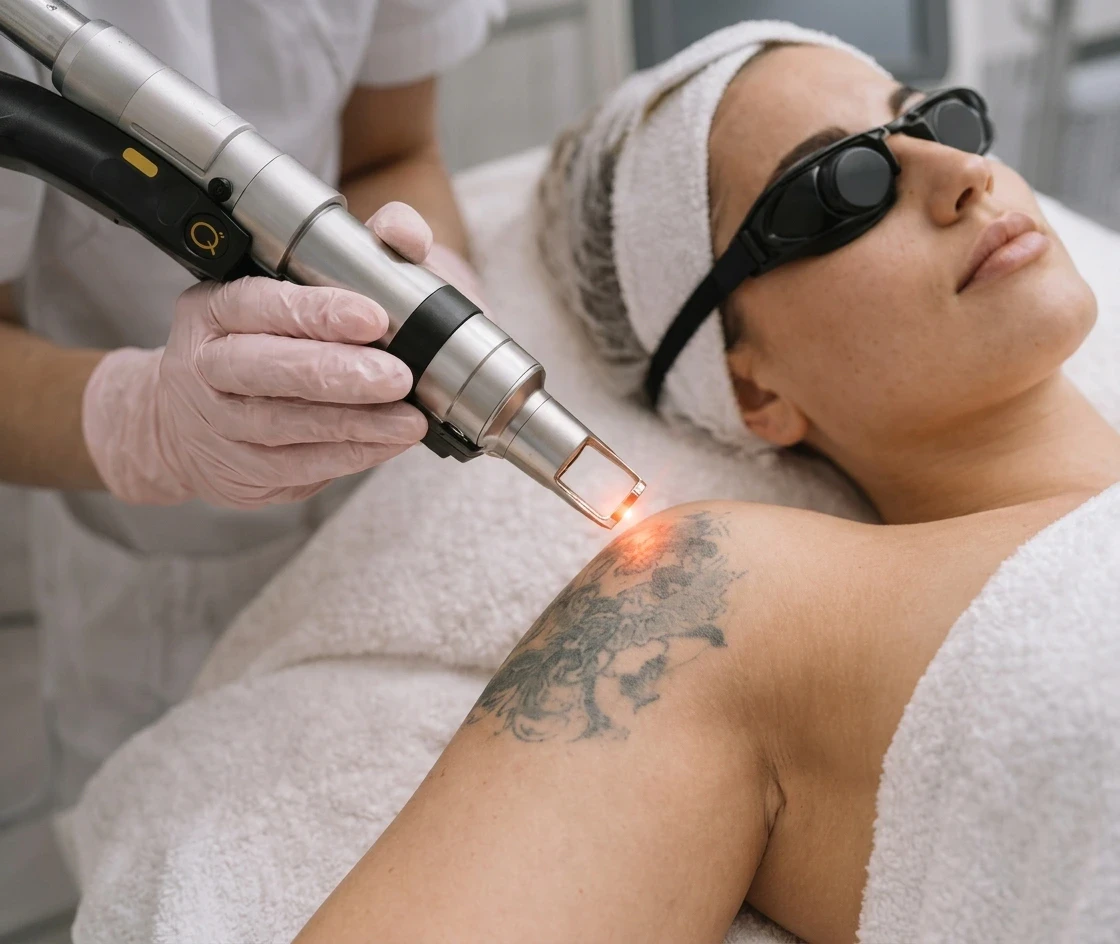
Laser tattoo removal is a cosmetic procedure that uses specific wavelengths of light to target tattoo pigments beneath the skin. The laser breaks the ink into smaller particles, which the body's immune system gradually clears.
Unlike surgical tattoo removal, this procedure does not involve cutting out the tattooed skin. It can be used to reduce the appearance of an unwanted design or fade it before a cover-up tattoo.
How Does Laser Tattoo Removal Work?
The procedure targets tattoo ink while aiming to minimise damage to the surrounding skin. A typical treatment session involves four steps:
۱. Tattoo Assessment
The practitioner examines the tattoo's size, location, ink colours, and depth. Skin tone, tattoo age, previous removal attempts, and medical history are also considered.
۲. Skin Preparation
The treatment area is cleaned, and protective eyewear is provided. A cooling method or topical anaesthetic may be used to improve comfort, depending on the treatment approach.
۳. Laser Application
The practitioner directs short pulses of laser energy onto the tattoo. Different wavelengths may be selected to target specific ink colours. The sensation is often compared to a rubber band snapping against the skin.
۴. Post-Treatment Assessment
After the session, the treated area is checked for skin reactions. The practitioner provides aftercare instructions to support healing between appointments.
Types of Lasers Used for Tattoo Removal
Different laser technologies can target tattoo ink. The appropriate option depends on the ink colour, depth, skin tone, and characteristics of the tattoo.
Q-Switched Lasers
Q-switched lasers deliver high-energy pulses in very short durations. They have been widely used to target selected tattoo pigments, particularly darker colours such as black and dark blue.
Picosecond Lasers
Picosecond lasers deliver energy in extremely short pulses, creating a photoacoustic effect that breaks ink particles into smaller fragments. They may be used for selected tattoo colours and designs, depending on the device and treatment settings.
Not every tattoo responds equally to every laser. The available technology and appropriate wavelength should be confirmed during a professional assessment.
Which Tattoo Colours Can Laser Treatment Remove?
Laser tattoo removal effectiveness depends partly on the colour and chemical composition of the ink.
- Black ink: Generally responds well because it absorbs a broad range of laser wavelengths.
- Dark blue ink: Often responds to wavelengths used for darker pigments.
- Red ink: Usually requires a wavelength suited to red pigments.
- Green ink: Can be more difficult to treat and may require specialised wavelengths.
- Yellow and white ink: Often respond less predictably and may be difficult to remove completely.
Some cosmetic tattoo pigments may also change colour after laser exposure. A careful assessment or patch test may be recommended when the pigment composition is uncertain.
Factors That Affect Laser Tattoo Removal Results
The effectiveness of treatment varies between individuals. Important factors include:
- Tattoo size: Larger designs generally require more treatment time.
- Ink depth: Professional tattoos may contain ink deeper in the skin than amateur tattoos.
- Ink composition: Different pigments respond differently to laser energy.
- Tattoo age: Older tattoos may have faded naturally, although age alone does not determine removal success.
- Skin tone: Skin pigmentation influences laser selection and treatment settings.
- Location: Tattoos in different body areas may respond at different rates because of variations in circulation and healing.
These factors help establish realistic expectations and guide treatment planning.
Who Is a Suitable Candidate for Laser Tattoo Removal?
Laser tattoo removal may be suitable for people who want to remove an unwanted tattoo or lighten an existing design before getting a cover-up.
Potential candidates include individuals who:
- Want to remove a tattoo completely or partially.
- Need to fade an existing design before a cover-up.
- Have unwanted tattoos that they prefer to address without surgery.
- Understand that multiple sessions may be necessary.
People with active skin infections, certain skin conditions, recent tanning, or a history of abnormal scarring may need additional assessment before treatment.
What to Expect During Laser Tattoo Removal
Before the first session, the practitioner examines the tattoo and explains the treatment process. The area is prepared, and protective eyewear is used to protect the eyes from laser exposure.
During treatment, you may feel brief snapping or stinging sensations as the laser pulses reach the ink particles. Discomfort varies according to tattoo size, location, and individual sensitivity.
After the session, the treated area may appear red or swollen. Small blisters, pinpoint bleeding, or temporary crusting can also occur during the healing process. Appointment duration depends on the size and complexity of the tattoo.
Is Laser Tattoo Removal Safe?
Laser tattoo removal is generally well tolerated when performed by trained professionals using appropriate equipment and settings. However, temporary side effects and complications are possible.
Potential reactions include:
- Redness and swelling.
- Blistering or crusting.
- Temporary changes in skin pigmentation.
- Skin sensitivity or tenderness.
- Infection if aftercare instructions are not followed.
- Scarring, although less common.
Darker skin tones may require particular care because some laser settings can increase the risk of pigmentation changes. Appropriate treatment settings and professional assessment help reduce potential risks.
Laser Tattoo Removal Results and Recovery
Tattoo ink fades gradually rather than disappearing immediately after one session. The body needs time to clear fragmented ink particles, so treatments are usually spaced several weeks apart.
Most tattoos require multiple sessions. The exact number depends on the ink colours, tattoo size, depth, location, and individual response. Some pigments may fade more slowly or remain partially visible.
Complete removal cannot be guaranteed. Certain pigments may resist treatment or leave a faint outline or residual discoloration.
The treated skin needs time to heal between sessions. The next appointment should only take place when the skin has recovered sufficiently.
Aftercare Following Laser Tattoo Removal
Following appropriate aftercare helps protect the treated skin and reduce the risk of complications.
- Keep the treated area clean and follow the wound-care instructions provided.
- Avoid picking blisters, scabs, or crusting.
- Apply any recommended ointment or dressing as instructed.
- Avoid direct sun exposure on the treated area.
- Use sunscreen on healed, exposed skin.
- Avoid swimming, saunas, and activities that may irritate the area until it has healed.
- Contact your practitioner if you notice increasing pain, spreading redness, or signs of infection.
Allowing the skin to heal fully before the next session is important for safe treatment progression.
Laser Tattoo Removal Cost in تهران
The cost of Laser Tattoo Removal in تهران depends on several factors:
- Tattoo size and location.
- Number and type of ink colours.
- Ink depth and composition.
- Laser technology used.
- Number of sessions required.
A consultation can help assess the tattoo and establish a personalised treatment plan and cost estimate.
Book Your Laser Tattoo Removal Consultation at Helia Clinic
If you have an unwanted tattoo or want to fade an existing design, laser treatment may offer a non-surgical option.
At Helia Clinic, a consultation can help assess your tattoo, discuss realistic removal expectations, and determine whether laser treatment is suitable for your skin. Contact the clinic to learn more about Laser Tattoo Removal in تهران and arrange a personalised assessment.