
درمان لک پوست در تهران
Skin pigmentation can cause dark spots, uneven skin tone, and patches of discolouration on the face and body. These changes may develop due to sun exposure, hormonal fluctuations, acne, or other skin-related factors.
At Helia Clinic, Skin Pigmentation Treatment تهران focuses on improving the appearance of uneven skin tone through an approach tailored to your skin type, pigmentation pattern, and individual concerns. A professional assessment helps identify the likely cause of discolouration and determine the most suitable treatment.
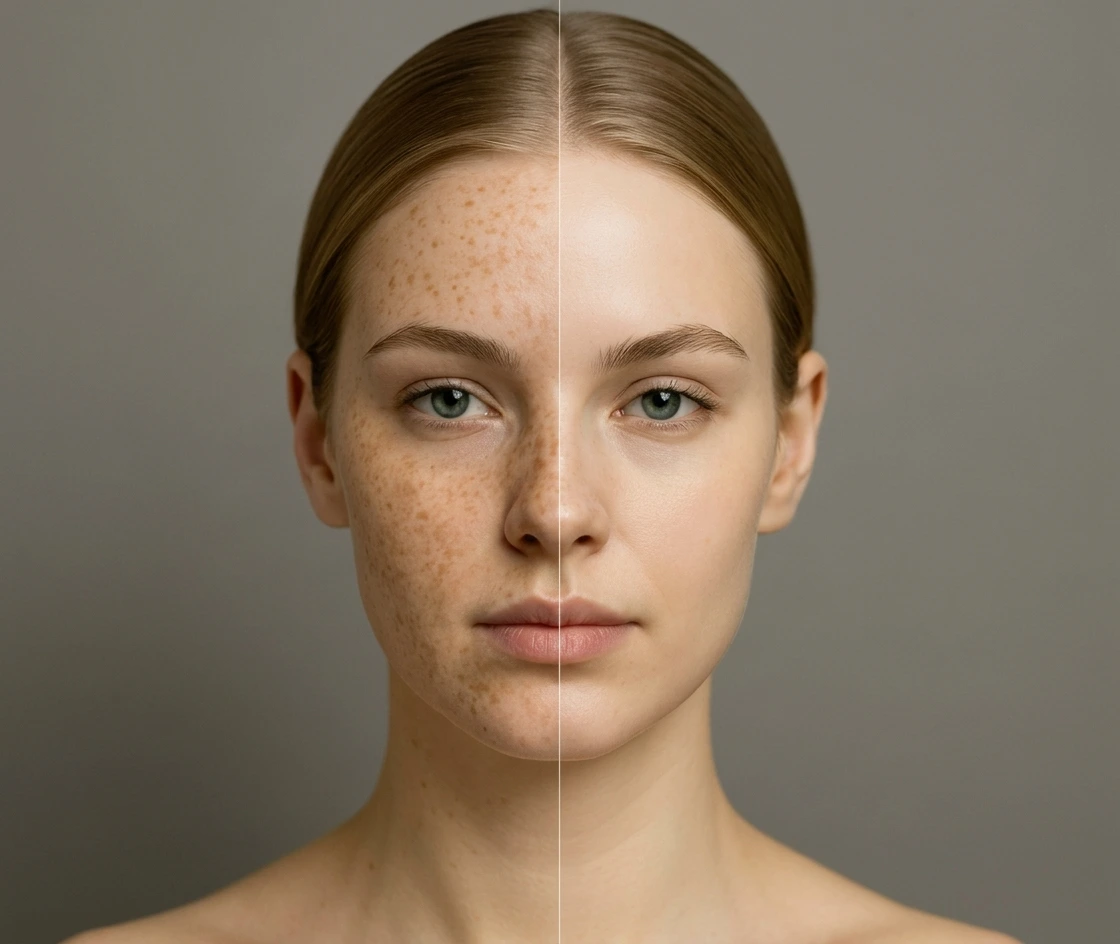
What Is Skin Pigmentation?
Skin pigmentation refers to the colour of the skin, which is mainly determined by melanin, a natural pigment produced by specialised skin cells called melanocytes.
When melanin is produced unevenly or accumulates in certain areas, dark spots or patches may appear. Common types of pigmentation include:
- Melasma: Brown or greyish patches, often appearing on the cheeks, forehead, and upper lip. Hormonal changes and sun exposure can contribute to its development.
- Sunspots: Flat brown spots that develop after prolonged exposure to ultraviolet (UV) radiation.
- Post-inflammatory hyperpigmentation: Dark marks that remain after acne, irritation, or skin injury.
- Freckles: Small, flat spots influenced by genetics and often becoming more noticeable after sun exposure.
Identifying the type of pigmentation is important because different forms require different treatment approaches.
What Causes Skin Pigmentation?
Several factors can contribute to excess melanin production or uneven pigment distribution:
- Sun exposure: UV radiation stimulates melanin production and can worsen existing dark spots.
- Hormonal changes: Pregnancy and hormonal fluctuations can trigger or aggravate melasma.
- Acne and inflammation: Skin inflammation may leave dark marks after pimples or irritation have healed.
- ژنتیک: Some people are more likely to develop freckles or certain pigmentation patterns.
- Skin irritation: Harsh skincare products or unsuitable treatments can sometimes trigger post-inflammatory pigmentation.
Understanding the underlying cause helps guide treatment selection and reduce the risk of recurrence.
Benefits of Pigmentation Treatment
The main goal of pigmentation treatment is to reduce the visibility of unwanted dark spots and create a more even-looking complexion. Depending on the type and depth of pigmentation, treatment may help:
- Fade the appearance of dark spots and patches.
- Improve uneven skin tone.
- Reduce the visibility of sun-related discolouration.
- Improve the appearance of post-acne marks.
- Create a clearer-looking complexion.
Results vary depending on the cause of pigmentation, skin type, treatment method, and individual response. Some conditions, particularly melasma, may require ongoing management rather than a one-time treatment.
How Does Pigmentation Treatment Work?
The treatment process depends on the selected approach and individual skin concerns. A professional treatment plan generally involves the following stages:
۱. Skin Assessment
The practitioner examines the affected areas, reviews your skin history, and identifies the pattern and possible cause of pigmentation. This helps determine whether cosmetic treatment is appropriate.
۲. Treatment Selection
Based on the assessment, the practitioner recommends a suitable approach. This may involve topical products, chemical peels, laser procedures, or a combination of treatments when appropriate.
۳. Treatment Session
The selected procedure is performed according to the treatment plan. Preparation, duration, and the sensations experienced during the session vary depending on the method used.
۴. مراقبت های پس از درمان
After the procedure, the treated skin is assessed and you receive instructions on skincare, sun protection, and recovery.
Who Is a Suitable Candidate for Skin Pigmentation Treatment?
Skin pigmentation treatment may be suitable for people who want to improve the appearance of:
- Sunspots and age-related spots
- Uneven skin tone
- Post-acne dark marks
- Certain forms of melasma
- Other types of superficial discolouration
However, suitability depends on the cause and depth of pigmentation, skin tone, medical history, and existing skin conditions. New, changing, or unusual pigmented spots should be medically assessed before cosmetic treatment.
A consultation helps determine the most appropriate approach for your skin.
What to Expect During Pigmentation Treatment
Before treatment, the practitioner examines your skin and explains the recommended approach, including what results you can realistically expect.
Your experience depends on the selected procedure. Topical treatments are generally incorporated into your skincare routine, while chemical peels may cause temporary tingling or warmth. During laser treatment, you may feel brief snapping sensations or mild heat in the treated area.
Appointment duration varies depending on the treatment method and the size of the area being treated. Your practitioner will explain any preparation or comfort measures needed before the session.
Is Pigmentation Treatment Safe?
Pigmentation treatments are generally well tolerated when selected according to the skin's condition and performed by qualified professionals. However, side effects can occur, and the risks vary between procedures.
Possible reactions include:
- Temporary redness and irritation
- Mild swelling or skin sensitivity
- Dryness or peeling
- Temporary darkening or lightening of the treated area
In some cases, unsuitable treatments or settings can worsen pigmentation, particularly in people prone to melasma or post-inflammatory hyperpigmentation.
A professional skin assessment is important before starting treatment to identify potential risks and select an appropriate approach.
Book Your Pigmentation Treatment in تهران at Helia Clinic
Uneven skin tone and dark spots can have different causes, so choosing the right treatment starts with understanding your skin. At Helia Clinic, a professional assessment helps determine an appropriate approach based on your pigmentation type, skin condition, and aesthetic goals.
Contact Helia Clinic to arrange a consultation and learn more about Skin Pigmentation Treatment تهران and Laser Treatment for Hyperpigmentation in تهران.
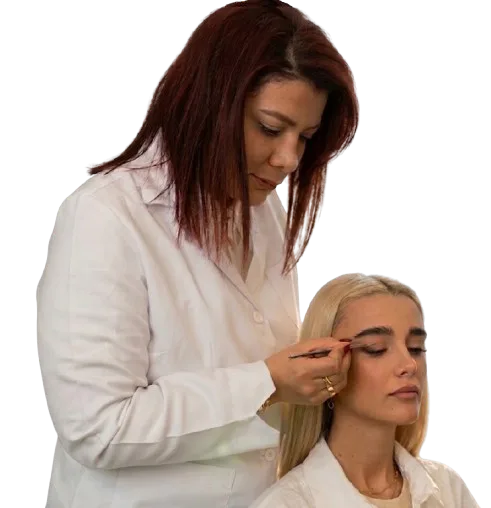
Pigmentation Treatment Results and Recovery
Results depend on the type of pigmentation, its depth, and the selected treatment. Some superficial dark spots may gradually become lighter, while deeper or hormonally influenced pigmentation can be more difficult to manage.
Multiple sessions may be recommended depending on the treatment method and individual response. Melasma, in particular, can return or become darker after sun exposure, so long-term management is often necessary.
Recovery also varies. Some treatments involve little downtime, while chemical peels and certain laser procedures may cause temporary redness, sensitivity, or peeling.
Pigmentation Treatment Aftercare
Following the recommended aftercare routine helps protect the skin and maintain treatment results.
- Apply broad-spectrum sunscreen with SPF ۳۰ or higher every day.
- Reapply sunscreen when spending extended periods outdoors.
- Avoid direct sun exposure while the skin is recovering.
- Use gentle cleansers and moisturisers.
- Avoid exfoliating acids, retinol, and harsh skincare products until your practitioner advises you to resume them.
- Do not pick or peel flaking skin.
- Follow the personalised skincare instructions provided by your practitioner.
Skin Pigmentation Treatment Cost in تهران
The cost of Skin Pigmentation Treatment تهران depends on several factors, including the type and severity of pigmentation, the treatment method, the size of the affected area, and the number of sessions required.
A consultation at Helia Clinic can help determine a suitable treatment plan and provide a personalised cost estimate.